





消费类电子

- 首页
- 公司业务
-
kaiyuan官网
-
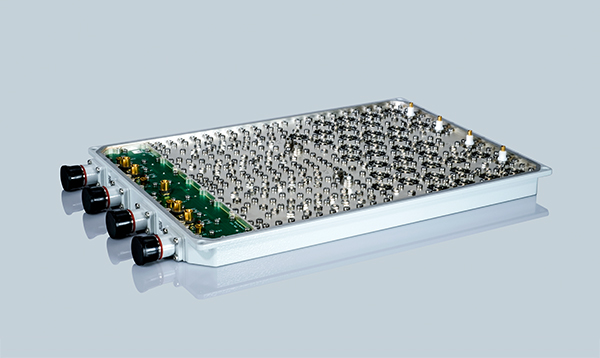 TM模高性能介质滤波器TM模高性能介质滤波器
● 具备独立的TM模滤波器技术专利与产品解决方案
● 具备极简结构、低插入损耗及优越的PIM射频性能
● 满足5G站点对大功率广域覆盖、小型/轻量化特殊需求
-
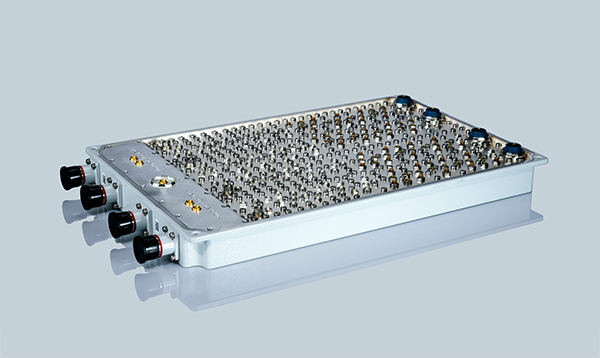 TE模高性能介质滤波器TE模高性能介质滤波器
● 用于5G低损耗、强抗干扰移动通信基站系统
● 采用高性能、自主知识产权微波陶瓷材料配方技术
● 提供全套高性能TE模滤波器技术解决方案
-
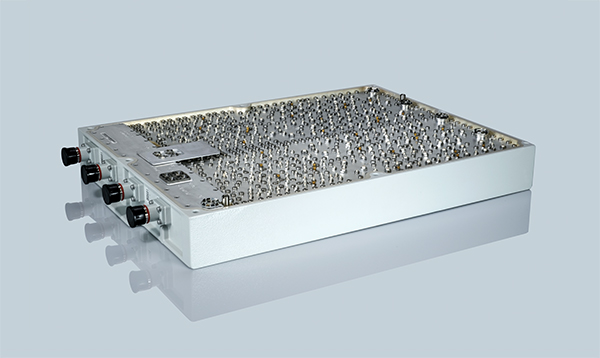 金属滤波器金属滤波器
● 面向5G移动通信基站系统
● 支持极简天面架构设计、系统广域覆盖技术需求
● Sub-6G可针对当前新站点技术特点,提供各类单频、双频、三频等多信道集成化滤波器产品技术解决方案
-
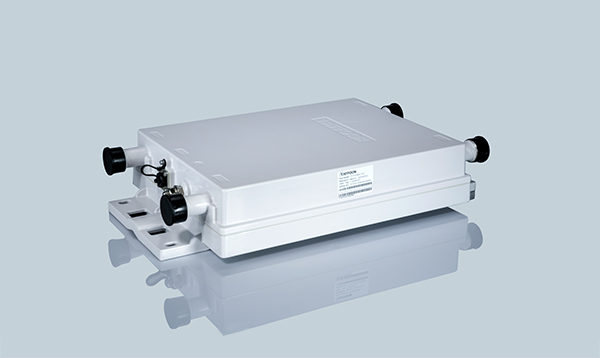 塔顶放大器塔顶放大器
● 用于提升站点覆盖能力,同时简化塔上链路复杂性与站址空间利用成本
● 产品覆盖Sub-3G全频段,涵盖当前全系列各移动通信系统
● 可根据最新移动通信站点的技术特点,提供各类单频、双频、三频合一塔放产品
-
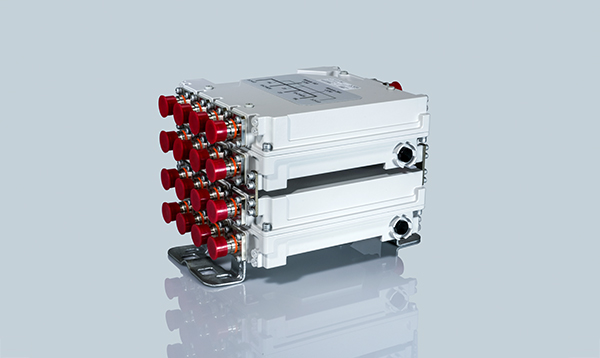 智能合路器智能合路器
● 针对塔上网络链路架构优化,在Sub-6G实现多频、多系统链路合一,包括当前4G/5G新频谱
● 通过智能化的控制模组,可对塔上多个系统链路实现智能化的通信切换
● 通过智能合路器,可不上塔,实现对塔上设备进行远程参数设置、系统升级与维护等
-
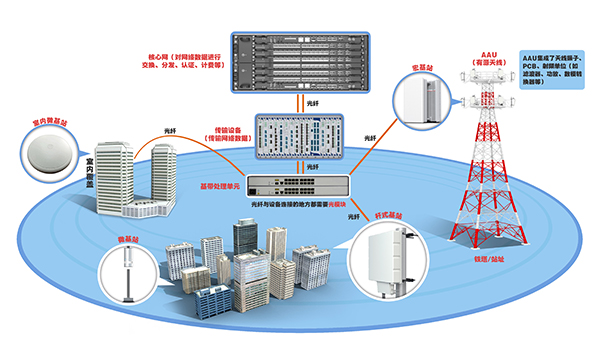
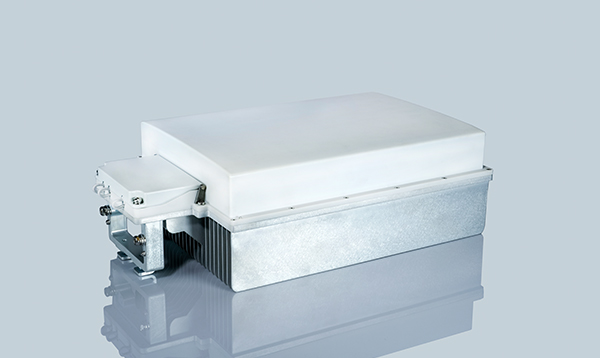 有源天线单元AAU有源天线单元AAU
● 集成天线与滤波器一体化技术解决方案
● 具备完整的电气与结构架构设计、优化能力
● 系统采用极简化、扁平化的射频结构设计、电气性能更优
-
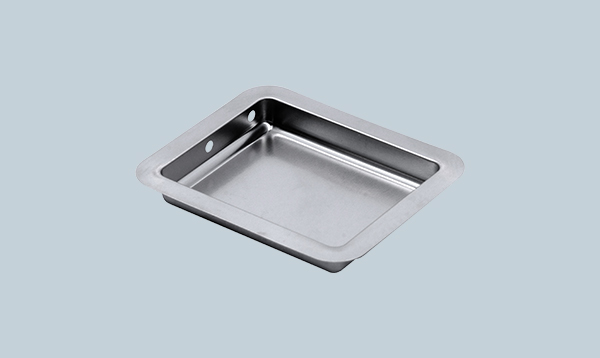 冲压冲压
冲压冲压● 常用材质:铁、不锈钢、铜、铝
● 精度:±0.01mm
-
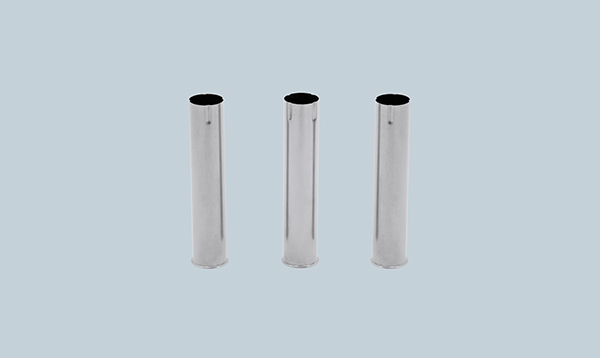 制管成型制管成型
● 常用材质:不锈钢、SPCC、SPCE、铜材
● 管材最小壁厚:0.018mm
● 精度:±0.01mm
-
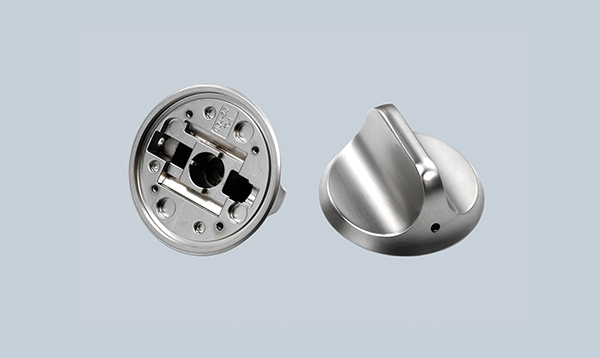 压铸压铸
压铸压铸● 最大铸件尺寸:1200mm × 580mm × 150mm
● 压铸吨位:125T-5000T
● 压铸件精度:±0.05mm
-
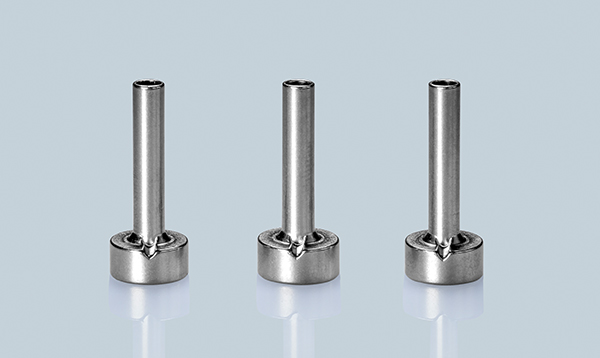 冷镦冷镦
冷镦冷镦● 常用材质:不锈钢、铝材、铜材、铁
● 产品可制杆直径:3mm-6mm
● 冷镦精度:±0.02mm
-
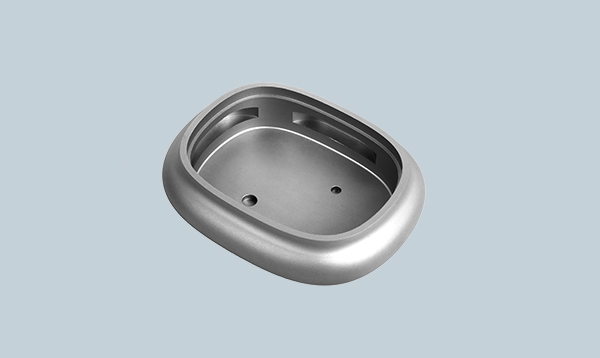 热锻+CNC车铣热锻+CNC车铣
● 常用材质:不锈钢、铝、铜材
● 锻压吨位:200T-2000T
● 热锻精度:±0.1mm-0.2mm
-
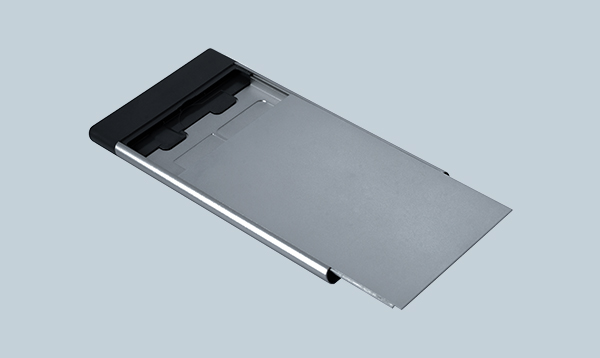 铝挤+喷砂+阳极铝挤+喷砂+阳极
● 常用材质:原生铝、回收铝
● 铝挤精度:±0.03mm
● 材料费用节省:30%-40%
-
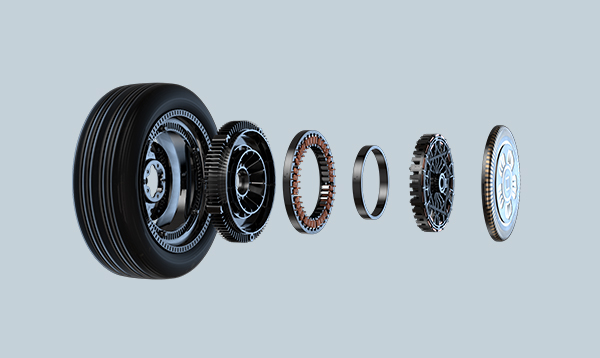 22kW开关磁阻电机轮毂22kW开关磁阻电机轮毂
● 电机力矩额定150Nm,峰值力矩800Nm
● 双转速:0~600rpm,0~1800rpm
● 轮毂外径R165、180
-
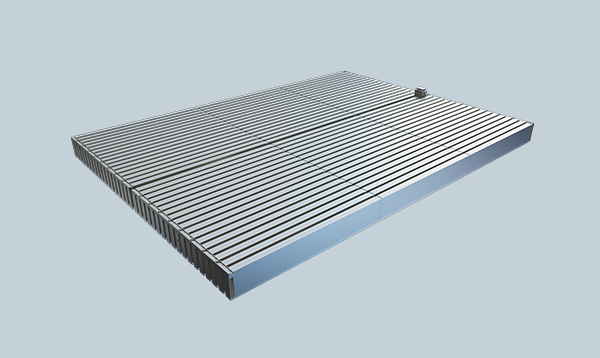 快换模式新型电池包快换模式新型电池包
● 重量:铝壳105kg+电芯420kg
● 电量:91.7度
● 电压:488V
-
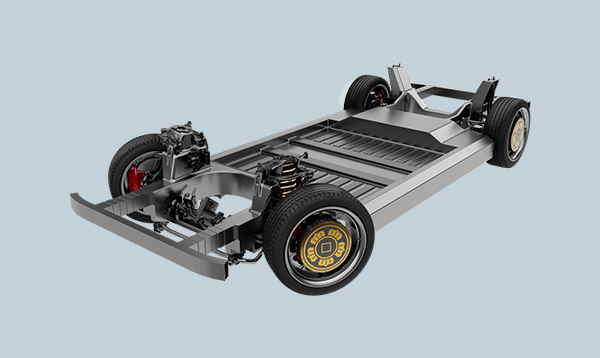 车架底盘车架底盘
● 悬架结构简单,重量轻
● 在整车装配时,无须后轮定位,减少装配工时
● 占用空间小,容易获得较大的尾部空间
-
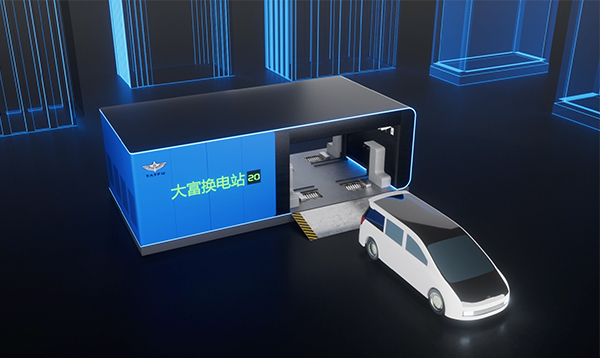
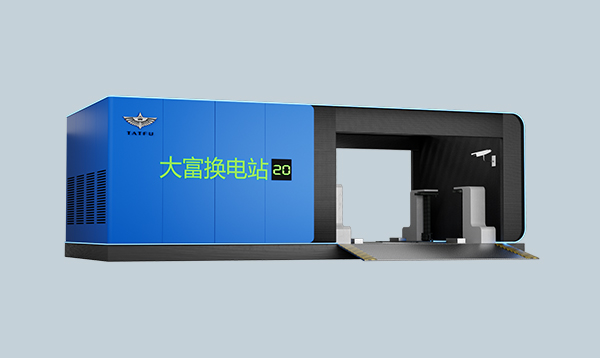 换电站解决方案换电站解决方案
● 助力新能源汽车战胜充电挑战
● 换电模式提高补能效率
● 大功率充电桩有效助力新能源EV
-
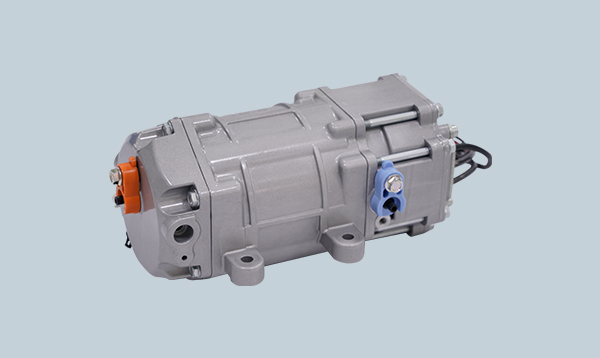 低压系列低压系列
● 排量范围:18CC~34CC
● 电压范围:DC12V~60V
● 转速范围:1000rpm~6000rpm
● 制冷量MAX:5700W
-
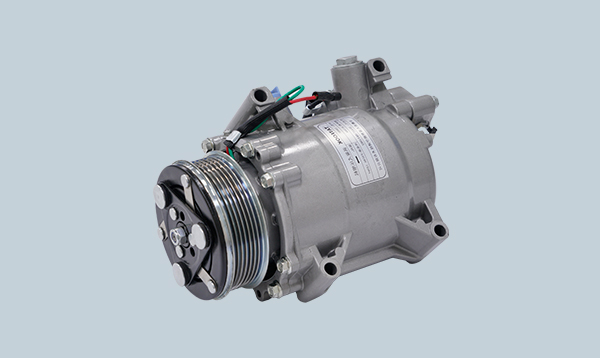 皮带轮86系列皮带轮86系列
● 排量范围:86CC
● 电压范围:————
● 转速范围:750rpm~8000rpm
● 制冷量MAX:19800W
-
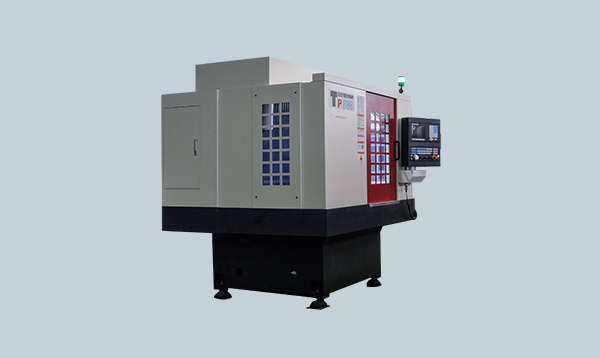 TP300小龙门加工中心TP300小龙门加工中心
● 可选配ISO25/HSK E32刀库,可选配高光电主轴(6.5kw/40000rpm、3.5kw/36000rpm)
● 最大行程(X轴/Y轴/Z轴):600mm/500mm/300mm
● 主轴刀柄接口:ISO25/HSK E32,主轴精度:0.001~0.007mm
-
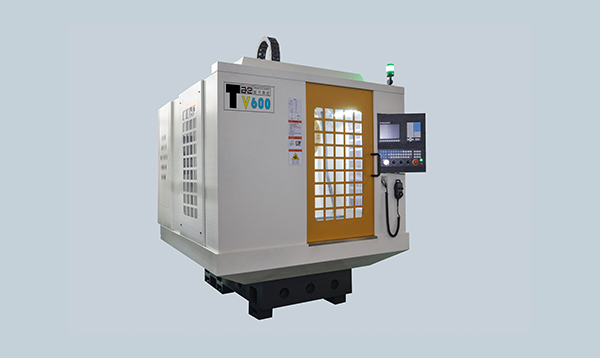 TV600立式加工中心TV600立式加工中心
● 20000rpm同步电主轴,自定芯夹具
● 最大行程(X轴/Y轴/Z轴):600mm/450mm/600mm
● 主轴刀柄接口:BT30
-
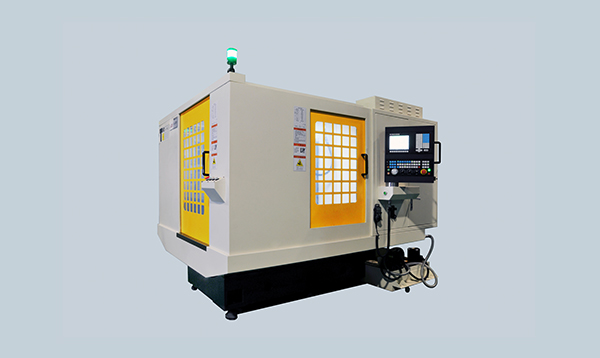 TH500Ⅱ 卧式加工中心TH500Ⅱ卧式加工中心
● 24000rpm同步电主轴,BT30-40T大容量刀库,自定芯夹具
● 最大行程(X轴/Y轴/Z轴):600mm/450mm/400mm
● 主轴刀柄接口:BT30,主轴精度:近端0.003mm-远端0.008mm
-
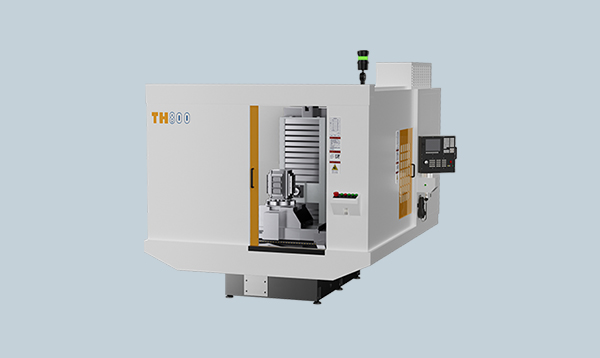 TH800卧式加工中心TH800卧式加工中心
● 20000rpm同步电主轴,BT30-40T大容量刀库,自定芯夹具
● 最大行程(X轴/Y轴/Z轴):800mm/600mm/550mm
● 主轴刀柄接口:BT30,主轴精度:近端0.003mm-远端0.008mm
-
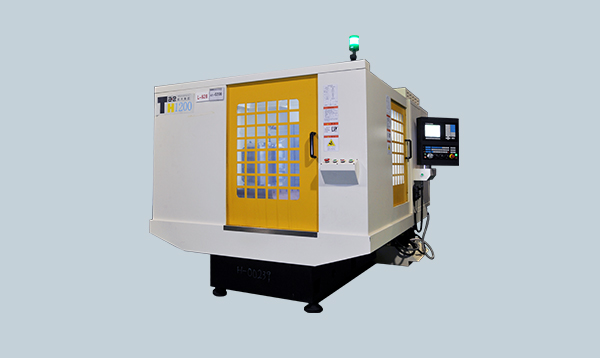 TH1200卧式加工中心TH1200卧式加工中心
● 15000rpm同步电主轴,自定芯夹具
● 最大行程(X轴/Y轴/Z轴):1200mm/600mm/600mm
● 主轴刀柄接口:BT40
-
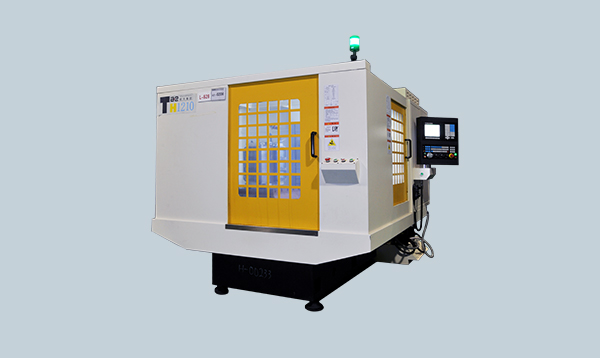 TH1210卧式加工中心TH1210卧式加工中心
● 15000rpm同步电主轴,自定芯夹具
● 最大行程(X轴/Y轴/Z轴):1200mm/800mm/600mm
● 主轴刀柄接口:BT40
-
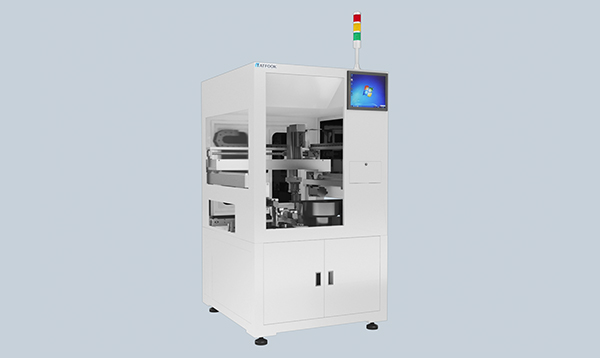 自动装飞杆设备自动装飞杆设备
● 行程(X轴/Y轴/Z轴):650mm/550mm/100mm
● 设备精度:±0.02mm
● 效率:5秒/PCS
-
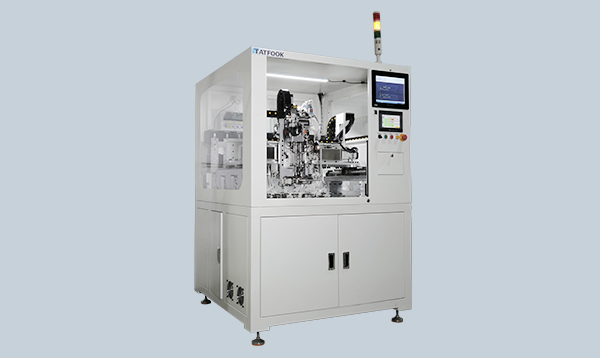 自动穿螺杆机自动穿螺杆机
● 行程(X轴/Y轴/Z轴):600mm/490mm/200mm
● 设备精度:±0.02mm
● 效率:3秒/颗
-
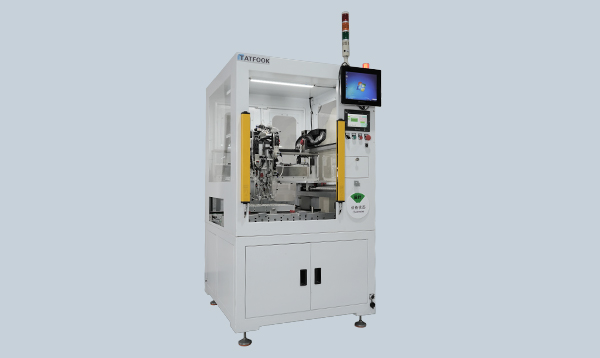 自动双头打螺丝机自动双头打螺丝机
● 行程(X轴/Y轴/Z轴):550mm/620mm/150mm
● 设备精度:±0.02mm
● 效率:1.2秒/颗
-
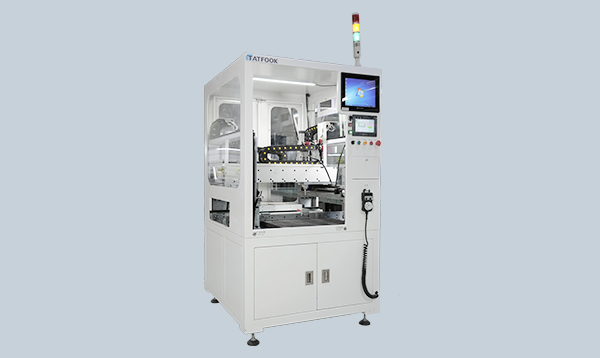 自动双头点胶机自动双头点胶机
● 行程(X轴/Y轴/Z轴):550mm/500mm/100mm
● 设备精度:±0.02mm
● 效率:0.5秒/颗
-
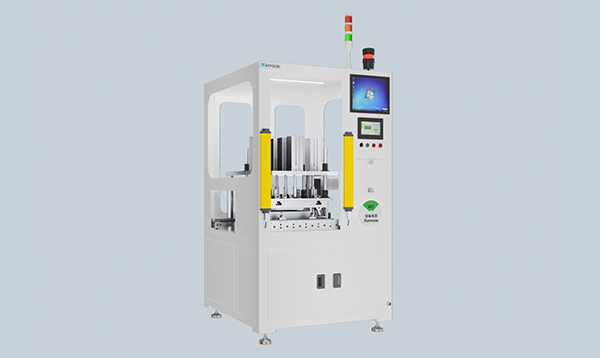 气密性检测设备气密性检测设备
● 行程(X轴/Y轴/Z轴):650mm/550mm/100mm
● 设备精度:±0.02mm
● 效率:5秒/PCS
-
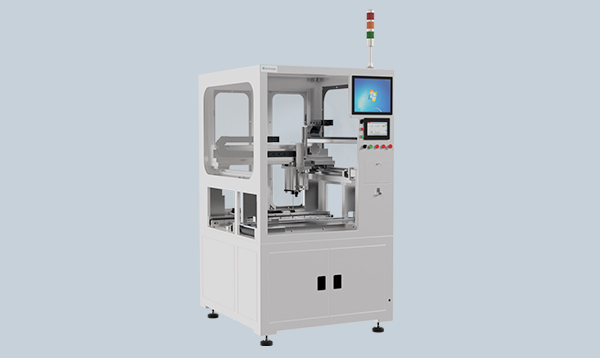 自动压接设备自动压接设备
● 行程(X轴/Y轴/Z轴):650mm/550mm/100mm
● 设备精度:±0.02mm
● 效率:5秒/PCS
-
 NPL语言NPL语言
● 一个开源的通用计算机编程语言,语法100%兼容Lua,有扩充
● 内置ParaEngine游戏引擎, 提供可用于3D/2D/web/服务器应用开发的核心类库
● 提供了丰富的C/C++ API以及大量开源的NPL脚本类库
-
 NPL编程NPL编程
● 3D场景素材搭建、骨骼动画制作、动画电影方块使用
● 独具特色的3D动画编程
● 注重设计创造和构思的动画电影制作,逻辑思维、抽象结构化思维的编程课程
-
 NPL 动画NPL 动画
● 3D动画创作/3D可视化编辑,助力学校和教培机构开展3D动画编程教育
● 基于粒子的3D建模,上百种通用方块,强大的可扩展编辑环境
● 人工智能仿真,基于相似原理的自主动画系统记忆方块,面向记忆的编程系统
-
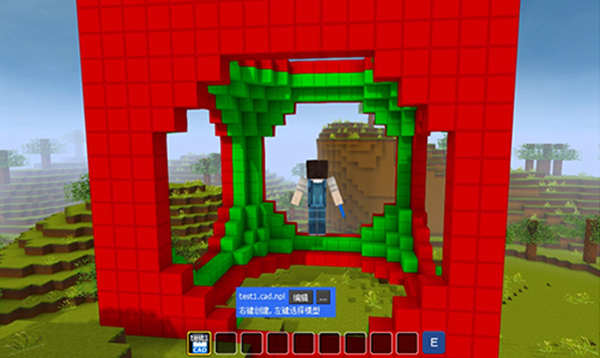 NPL CADNPL CAD
● 通过编程的方式进行CAD建模
● 通过CAD,学习计算机编程语言,一举两得
● 富的2D、3D建模指令,随时3D预览,调试代码
-
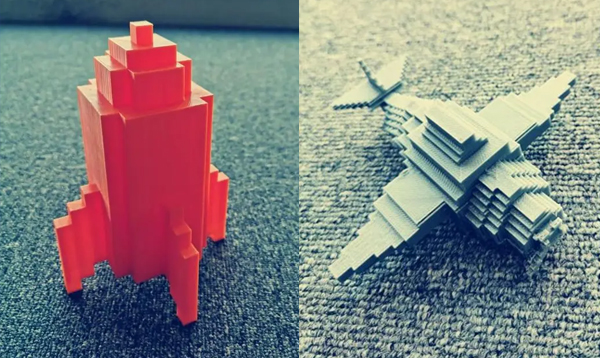 3D打印3D打印
● 3D沉浸式学习,学生学习兴趣高
● 自主研发的3D动画编程
● 3D沉浸式学习,学生学习兴趣高
-
 方块建模方块建模
● 3D动画编程,通过积木方块创建素材
● 3D场景素材搭建、骨骼动画制作、动画电影方块
● 编程学习核心能力(抽象建模)启蒙和训练
-
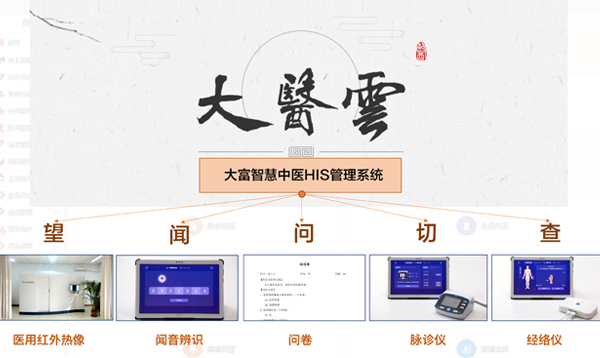 大医云HIS2.0管理系统大医云HIS2.0管理系统
● 一套基于云端的诊所HIS服务平台
● 中医馆全流程SaaS服务
● 实现中医馆“+互联网”,打造互联网中医馆
-
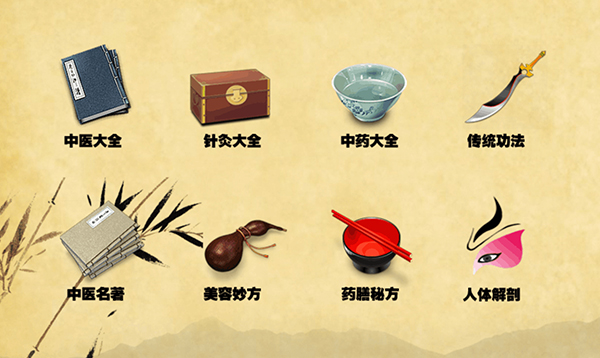 中医知识库中医知识库
● 五大引导方向,领略中医奥妙
● 每个库的内容为您精心挑选
● 海量中医知识点,按照理法方药证病案穴等归类整理
-
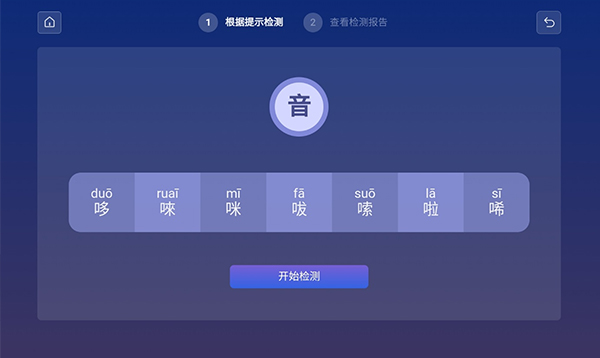 闻音体质辨识闻音体质辨识
● 二十五种古代音阶进行确定、建立数学模型
● 数字处理技术对声音音频进行科学的测定
● 实现传统医学的量化监测
-
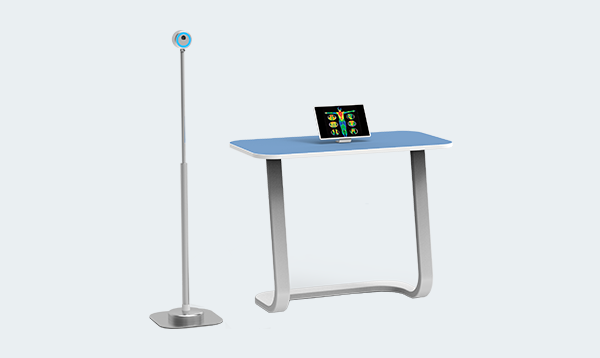 红外热成像仪红外热成像仪
● 高分辨率红外图像定焦
● 价格亲民,系统小巧便携、灵活可移动电脑终端
● 标配AI运算,分析报告免费或增值服务收费
-
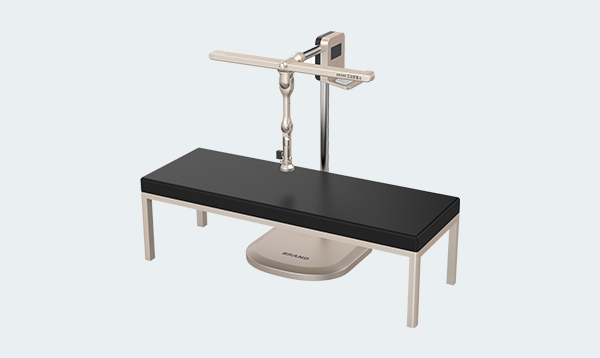 灸疗服务机器人灸疗服务机器人
● 安全、高效、智能、易用
● 快速AI寻穴,335个维度儿童成人智能识别
● 智能控温,温和灸、雀啄灸、回旋灸等灸法1:1精准操作
-
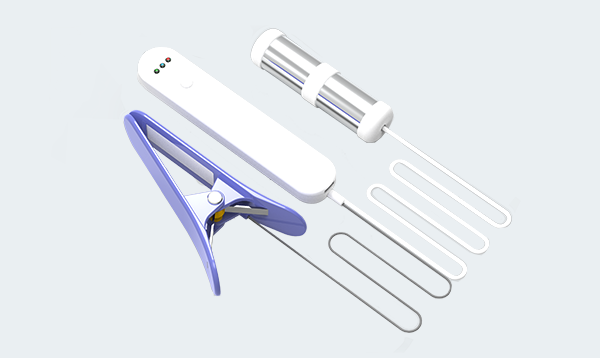 便携式经络检测仪便携式经络检测仪
● 采用多项自主研发的专利技术
● 提高了检测的精准度、稳定性、有效性及抗干扰性
● 迅速采集人体十二经络原穴的生物电阻信号
-
- ky(中国)
- 投资者关系
- 关于我们
- 英文版